

Social media platforms may look similar on the surface, but each one operates with its own culture, algorithms, and audience expectations. What performs well on Instagram may fail on YouTube, and content designed for Facebook can feel out of place on Telegram. In today’s digital landscape, platform-specific content is no longer optional—it’s essential.
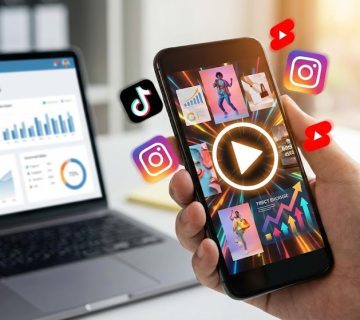
Each platform favors different formats and behaviors. Instagram prioritizes visual storytelling and short-form video, YouTube rewards longer watch times and educational value, Facebook supports community-driven and shareable content, while Telegram focuses on direct, value-based communication. When brands reuse the same content everywhere, they miss the opportunity to connect authentically with users.
Platform-specific content allows brands to speak the native language of each channel. It improves engagement, increases reach, and signals credibility to both users and algorithms. By adapting visuals, copy, video length, and messaging to each platform, brands can maximize performance without losing consistency.
The most successful brands are those that respect how people consume content on different platforms—and design their strategies accordingly.




No comment